 Select your Region

Corrosion-Resistant Fittings: Why They Matter in U.S. Water Systems
Why Corrosion Resistance Is Critical in American Plumbing and Irrigation
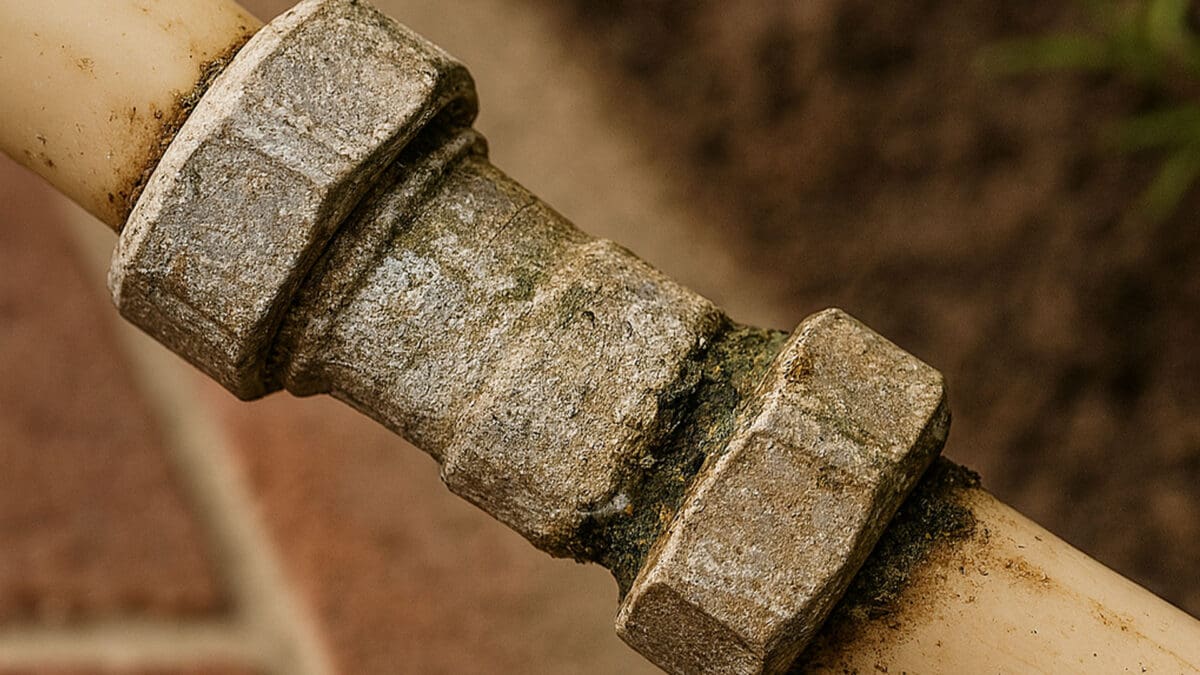
Corrosion-resistant fittings are essential for the long-term performance of water systems across the United States. From municipal water lines to agricultural irrigation, corrosion can lead to leaks, contamination, and costly repairs. Traditionally, brass fittings have been the go-to choice, but they are vulnerable to corrosion in aggressive water conditions.
Modern polymer fittings—like those from Philmac USA—offer a durable, cost-effective solution that resists corrosion and meets U.S. standards for potable water. In this blog, we’ll explore why corrosion resistance matters, the risks of ignoring it, and how polymer fittings deliver superior protection.
The Hidden Cost of Corrosion in U.S. Water Systems
Corrosion isn’t just a cosmetic issue. It’s a structural problem that compromises system integrity. In plumbing and irrigation, corrosion can:
- Cause leaks and water loss
- Increase maintenance costs
- Lead to contamination in drinking water systems
- Shorten the lifespan of fittings and pipes
For U.S. contractors, farmers, and homeowners, these issues translate into higher expenses and operational downtime.
Brass Fittings: Strong but Vulnerable
Brass fittings have served American plumbing for decades, but they have limitations:
- Susceptible to dezincification in aggressive water conditions
- Heavier, increasing labor costs during installation
- Higher upfront cost compared to polymer alternatives
While brass performs well in high-temperature applications, its vulnerability to corrosion makes it less ideal for many U.S. environments.
Polymer Fittings: The Corrosion-Resistant Advantage
Polymer fittings are engineered to withstand harsh conditions without corroding.
Key Benefits:
- Corrosion-resistant for aggressive water environments
- Lightweight for faster installation and reduced labor costs
- Cost-effective without sacrificing durability
- Compliant with NSF CSAB137.1 standards for potable water
These features make polymer fittings the smart choice for irrigation systems, rural water lines, and residential plumbing projects across the U.S.
Why Philmac USA Leads in Corrosion-Resistant Solutions
Philmac brings over 60 years of innovation to the U.S. market. Our polymer fittings are designed for American standards, offering unmatched reliability and sustainability. With Philmac, you get:
- Proven corrosion resistance
- Easy installation
- Compliance with U.S. certifications
- A trusted global brand committed to quality
FAQs: Corrosion-resistant fittings in U.S. Plumbing
Are polymer fittings approved for drinking water in the U.S.?
Yes, Philmac polymer fittings meet NSF/ANSI standards for potable water applications.
How long do corrosion-resistant polymer fittings last?
They are engineered for long-term performance, often outlasting brass in aggressive water conditions.
Can polymer fittings handle high pressure?
Yes, Philmac polymer fittings are designed for high-pressure systems and rigorous U.S. standards.
Ready to Protect Your System?
Explore Philmac’s corrosion-resistant polymer fittings today and discover why they’re the smart choice for modern U.S. plumbing and irrigation.